
Mixed into plaster
Explore aerogel as an ingredient in plaster and render. The idea is to make insulation part of the wall finish itself.
Applications Overview
Our aerogel helps reduce heat passing through materials. Explore how it could fit into your product, from plaster and coatings to clothing and industrial insulation.
Walls, roofs and surfaces
The starting point is an aerogel-containing mix suited to the job. These examples show ways to build insulation into a surface, rather than adding it as a separate layer of board.
Explore aerogel as an ingredient in plaster and render. The idea is to make insulation part of the wall finish itself.
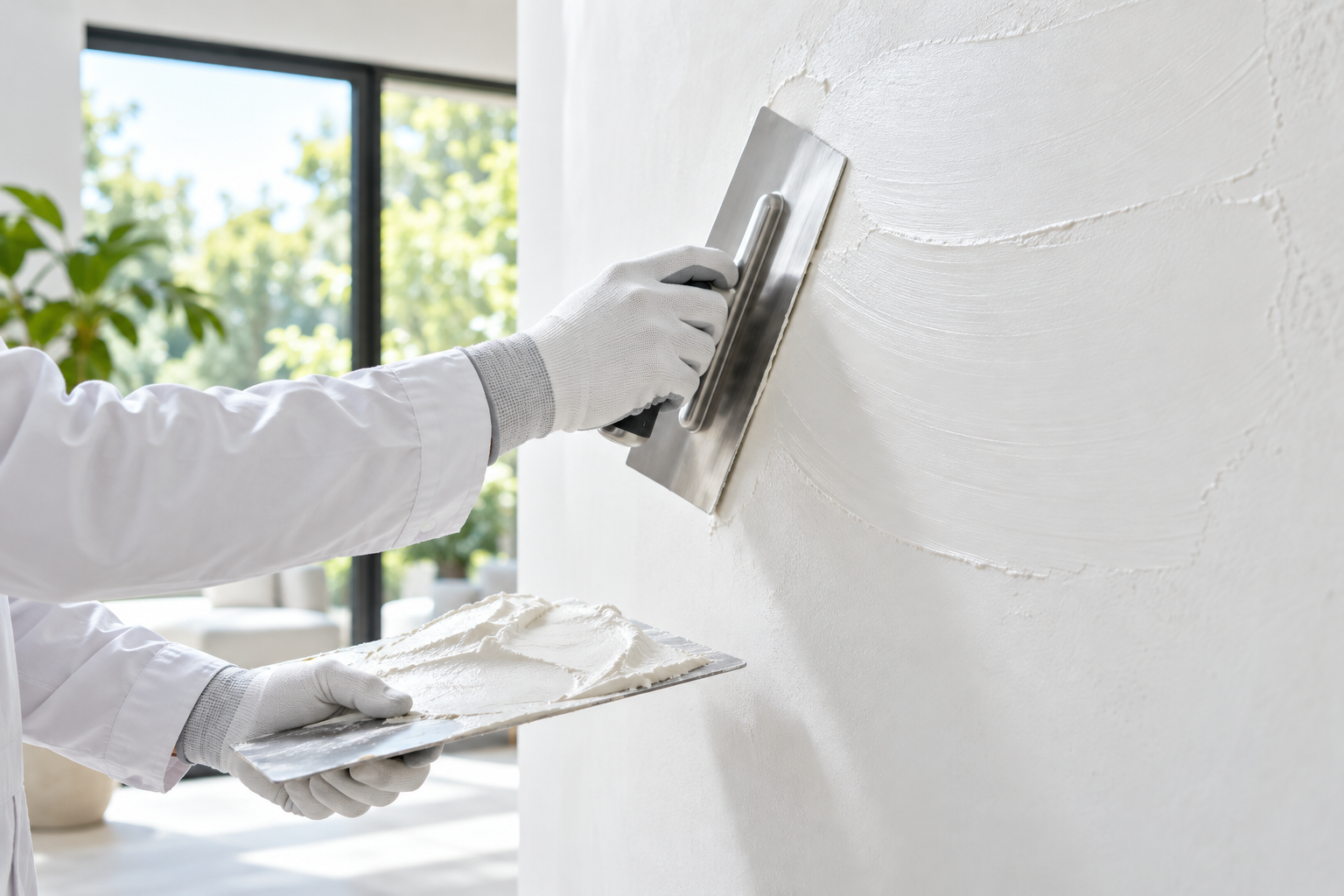
A plaster-based mix can be spread and smoothed onto a wall. Discuss the surface, finish and space available with our team.

Explore a spray-applied mixture for roof undersides and shaped surfaces. The mix and equipment need to suit the application—not every aerogel grade is spray-ready.
For roof-insulation ideas: we welcome discussions about aerogel in binder-based mixtures, including polyurethane-based concepts. Aerogel is not an expanding foam; whether a mixture expands depends on its other ingredients.
AI-generated illustrations of application concepts, not photographs of completed installations.
Aerogel can be explored within panels and composite materials to make insulation part of the product. Discuss the binder, strength, weight and thickness your design needs. Performance depends on the complete panel, including its joints and fixings.
Our aerogel dry mix with binder is prepared by adding water according to the grade’s instructions. For your own plaster formulation, discuss the right aerogel ingredient with us. The wall condition, adhesion, coat thickness, curing and finish all matter.
Explore insulation mixtures for suitable roofs, pipework and shaped surfaces. The formulation must suit the spray equipment and surface. Insulation depends on the finished layer and its thickness—not simply adding aerogel to a thin coat of paint.
Window surrounds, wall junctions and narrow spaces can be difficult to insulate. Share your drawings, materials and available space so we can explore a suitable approach. Drainage, ventilation and moisture control need to remain part of the design.
Beyond applied finishes
Think about the product first: where does unwanted heat pass through, and where could an insulating material fit?

Explore aerogel in plaster, wall panels and roof materials to help keep indoor temperatures more comfortable.
Explore aerogel within fabric layers or garment inserts to help slow heat passing through clothing.
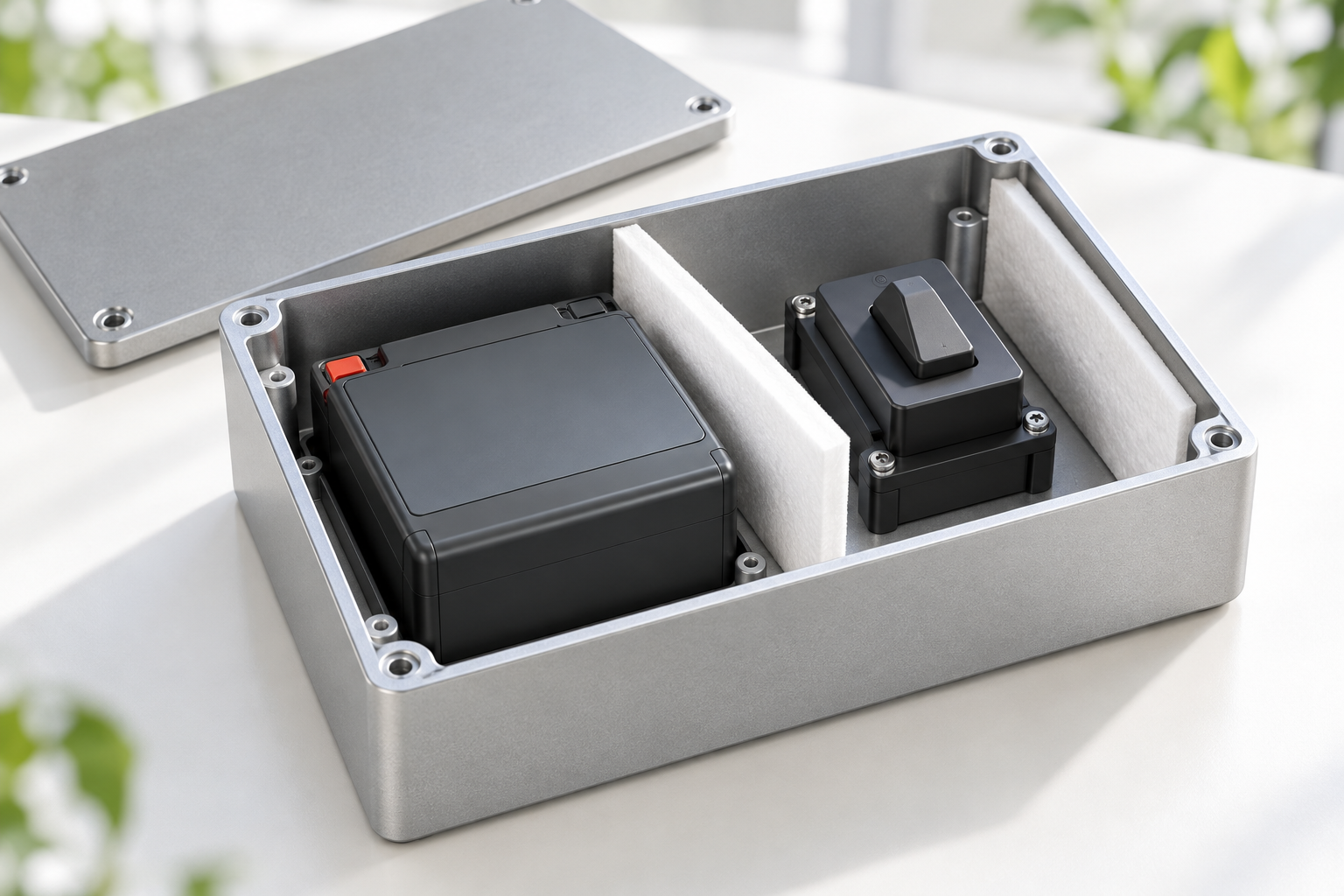
Explore insulation around batteries and switches as part of a heat-management design that also allows for cooling and ventilation.

Explore insulating liners and panels to help reduce heat passing into or out of containers during storage and transport.
AI-generated application concepts, not photographs of client projects. Insulation layers are illustrative, not installation specifications.
Find your industryYour application
Tell us what you’re making, how you make it and what needs to stay warm or cool. We can discuss the right product form and your sample or bulk-supply requirements.